In short
- Constructed for the 1980 Olympic sailing regatta.
- Designed by Estonian architects in 1976.
- A prime example of brutalist, ziggurat-style design.
In this article
Tallinn features several distinct architectural layers. Soviet-era structures form a prominent part of its recent past. Linnahall is the most visible remnant of this period on the city waterfront. The complex serves as a large-scale example of late-Soviet civic design, built to impress international visitors during a major sporting event.
Why was Linnahall built?
Officials commissioned the structure to host the sailing regatta for the 1980 Moscow Summer Olympics.
Designers initially named it the V. I. Lenin Palace of Culture and Sports. The building opened in July 1980 to serve as both an Olympic venue and a massive public entertainment complex. It housed a 4,200-seat concert hall and a 3,000-seat ice skating rink.
Who designed this piece of Tallinn Soviet architecture?
Estonian architects Raine Karp and Riina Altmäe designed the complex in 1976.
The architects utilized a ziggurat-style layout to solve a specific urban problem. By keeping the structure low and stepped, they ensured it would not block sea views from the nearby medieval Old Town.
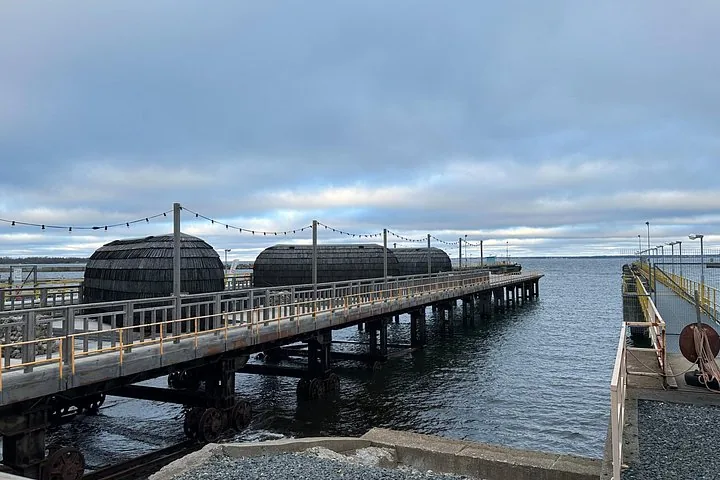
How does Linnahall compare to other Soviet monuments?
Linnahall shares a stark concrete aesthetic with other local sites, such as the Patarei Sea Fortress during its prison era.
The 1980 Olympics spurred significant construction across Tallinn. While Linnahall represented cultural and sporting ambition, other nearby sites highlight darker histories. Just along the coast, the Patarei Sea Fortress operated as a prison under Soviet control. You can see both sites by walking the seafront.
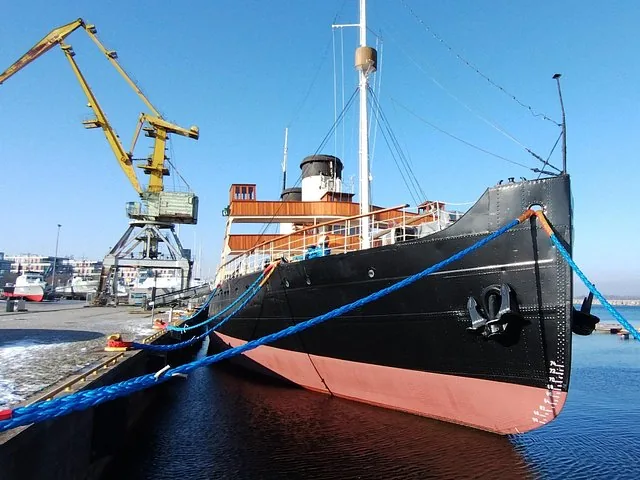
Is Linnahall a typical brutalist building?
Yes, it features the heavy, exposed concrete and geometric forms characteristic of brutalism.
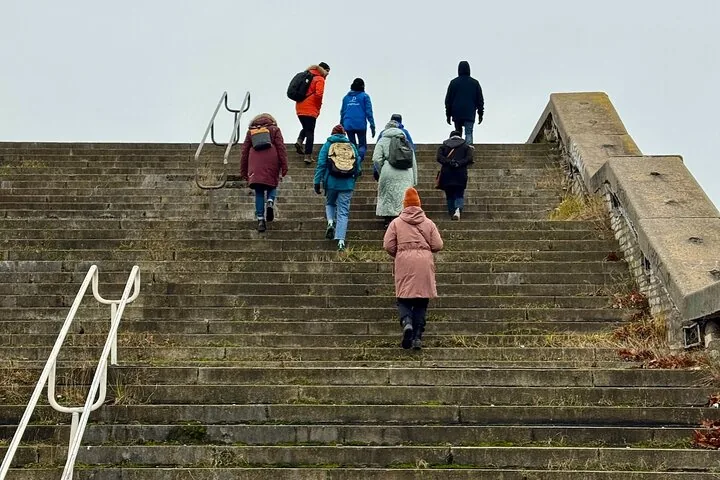
The design incorporates massive exterior staircases and sweeping seaside terraces. Instead of a tall, imposing tower, the building sprawls outward. This horizontal massing makes it distinct among typical Soviet civic buildings.
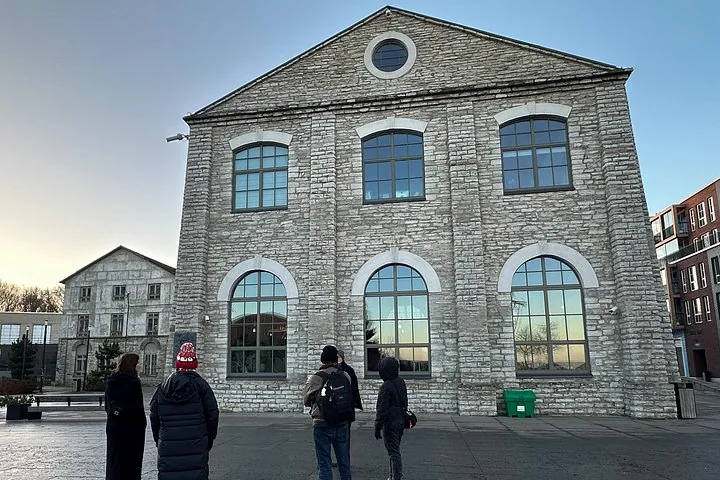
Can you explore Tallinn's Soviet history on a tour?
Yes, guided walking tours specifically cover Tallinn's Soviet architecture and history.
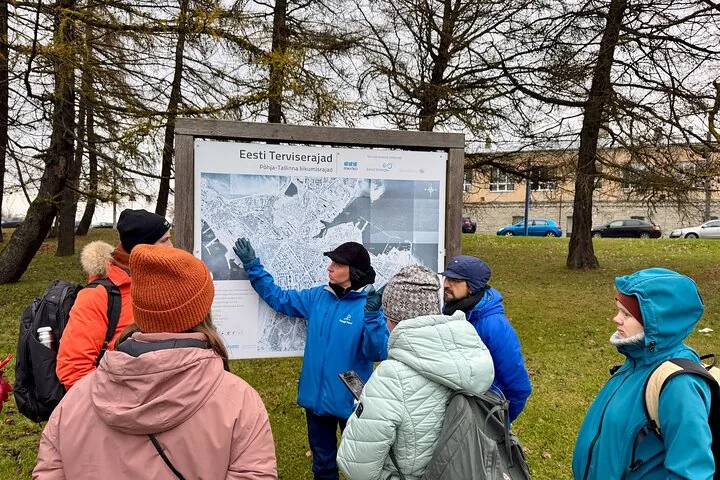
Walking tours lasting two to four hours often include Linnahall. These tours explain the history of the Soviet occupation. Check current prices with the tour operator.
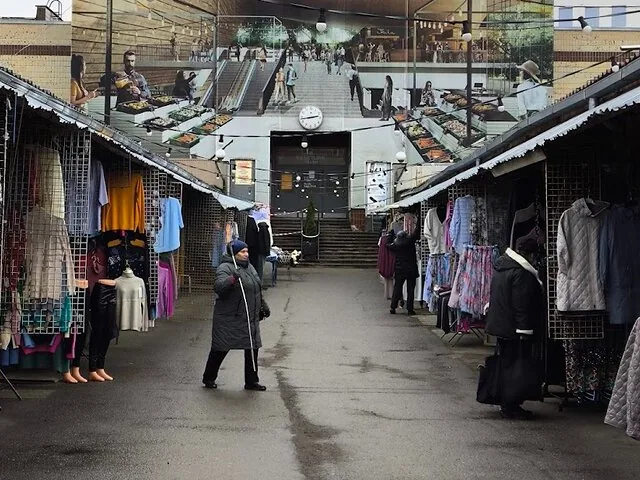
What is the current state of this Soviet structure?
The interior officially closed to the public in 2010 due to decay, but the exterior remains open.
The ice rink closed earlier in 2009. Today, the building is mostly abandoned, though it occasionally hosts official architecture tours or art exhibitions. The exterior stairs and rooftop helipad remain usually open to walk on, though some sections are fenced off for urban exploration and photography.
Questions travellers ask
Did the 1980 Olympics take place in Tallinn?
Tallinn hosted the sailing regatta events for the 1980 Moscow Summer Olympics. This event prompted the construction of Linnahall.
What was Linnahall originally called?
When it opened in July 1980, the complex was officially named the V. I. Lenin Palace of Culture and Sports.
Are there other Soviet buildings near Linnahall?
Yes. The Patarei Sea Fortress, which was used as a prison during the Soviet era, is located a short walk away along the coastal promenade.